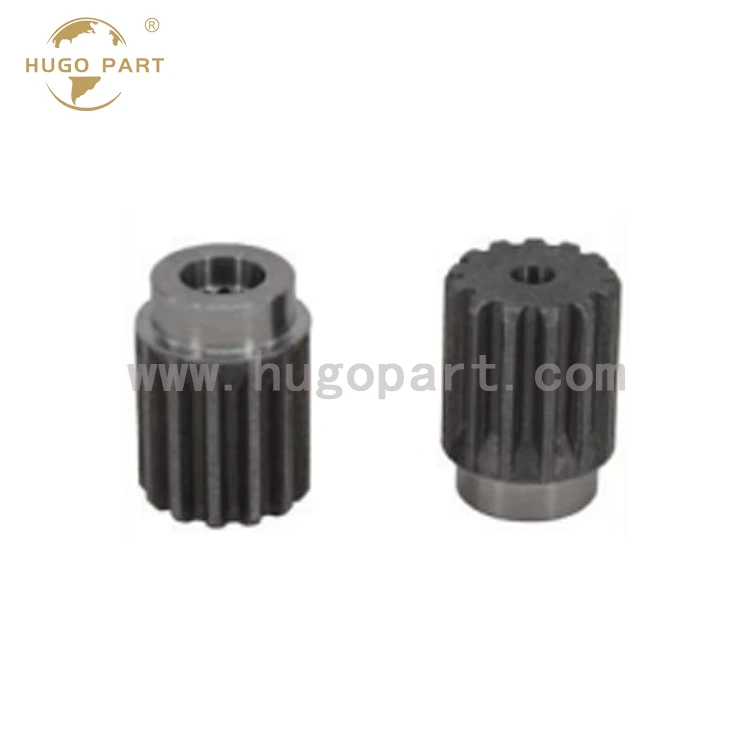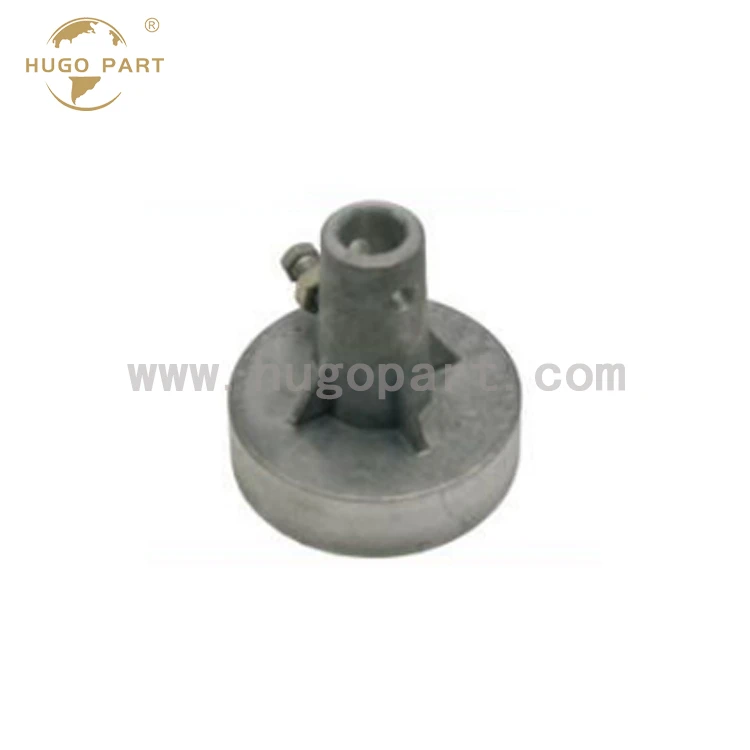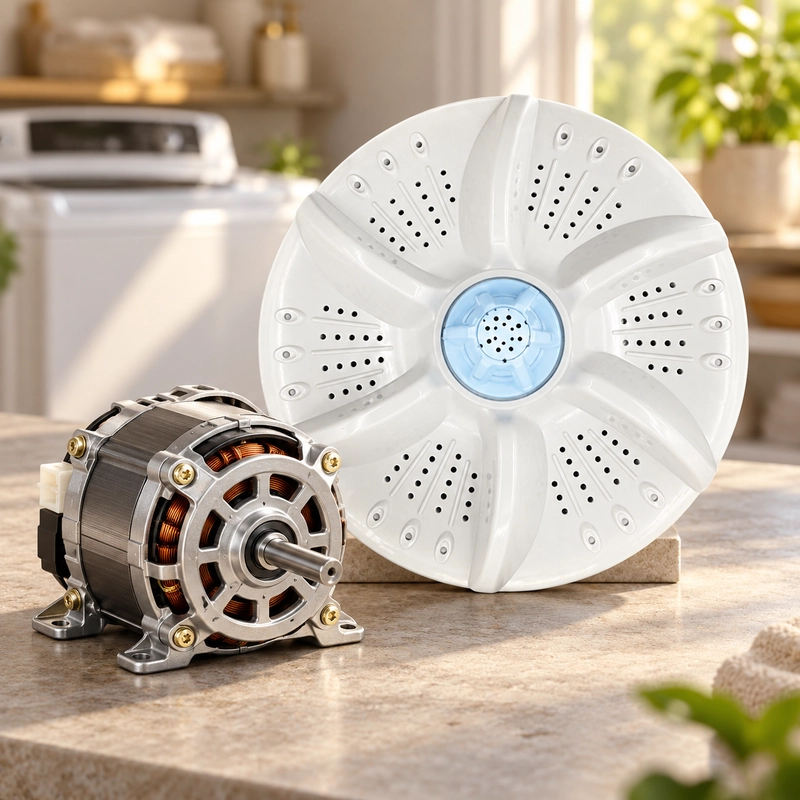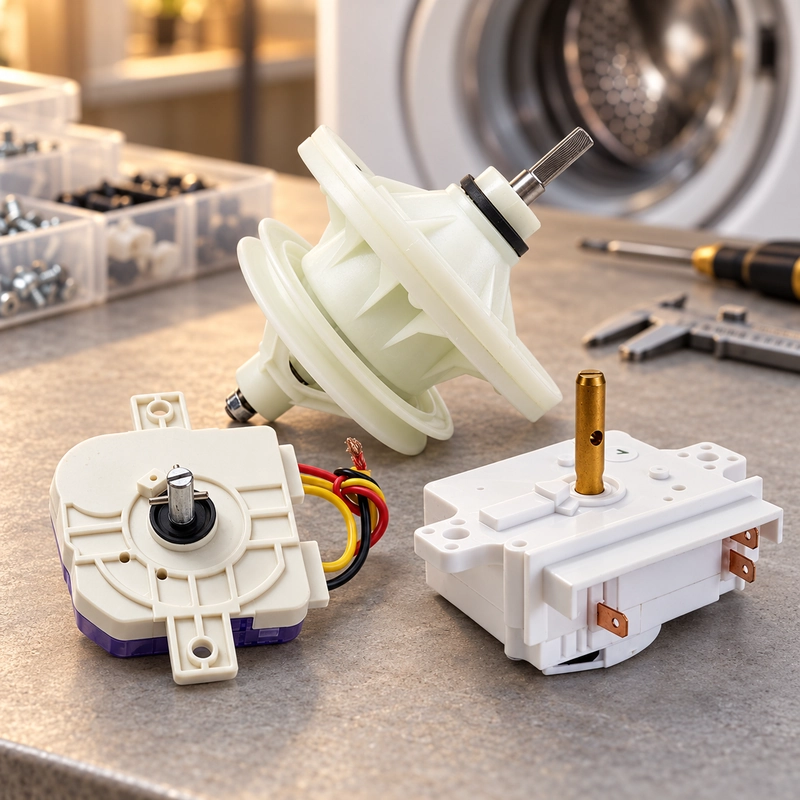
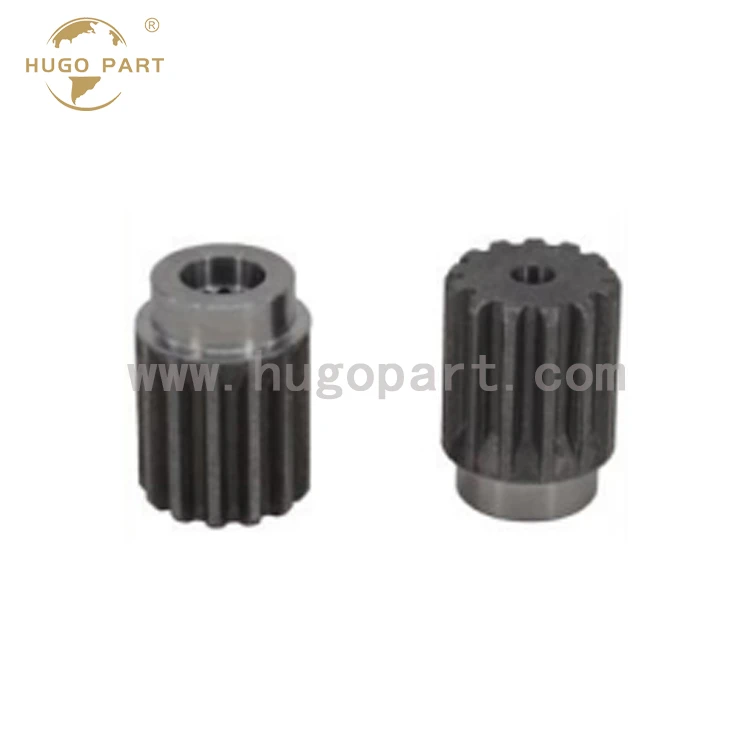
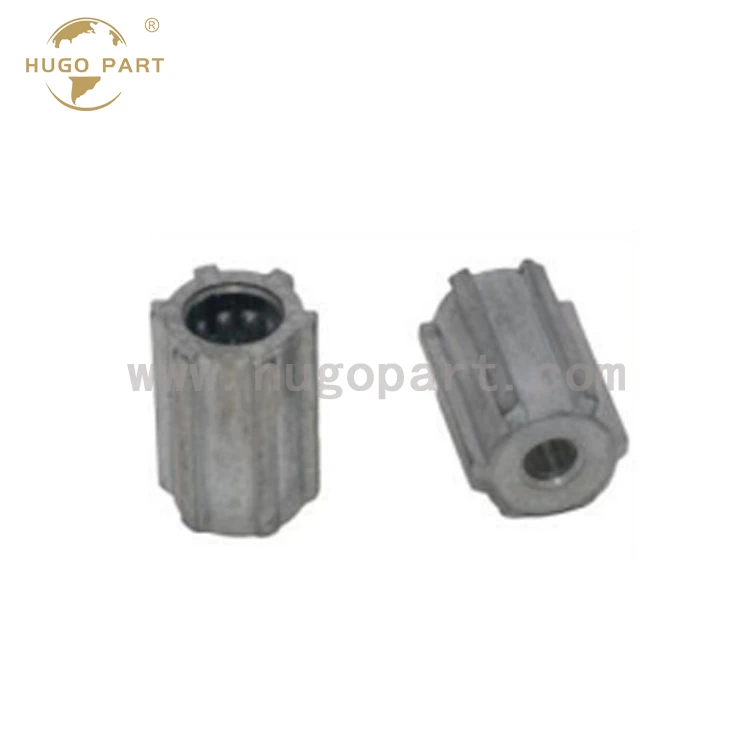
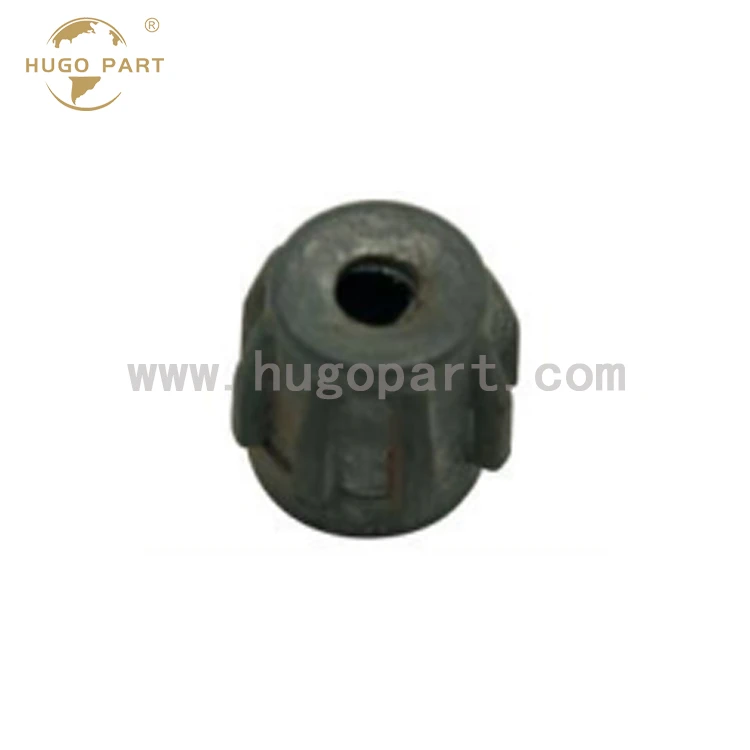
As a professional manufacturer and supplier in China, we are able to provide comprehensive customization services. Hugo 11-Tooth Washing Machine Wave Core is widely used in semi-automatic twin-tub and top-load washing machines as the central drive hub of the pulsator system. It is specifically designed to lock onto the gearbox output shaft with its 11 internal splines and grip the plastic wave plate with its outer teeth, ensuring seamless integration between the motor and the pulsator. No special tools are required to install the core, and the standard 11-tooth count and outer diameter allow for direct replacement of worn or stripped original parts.
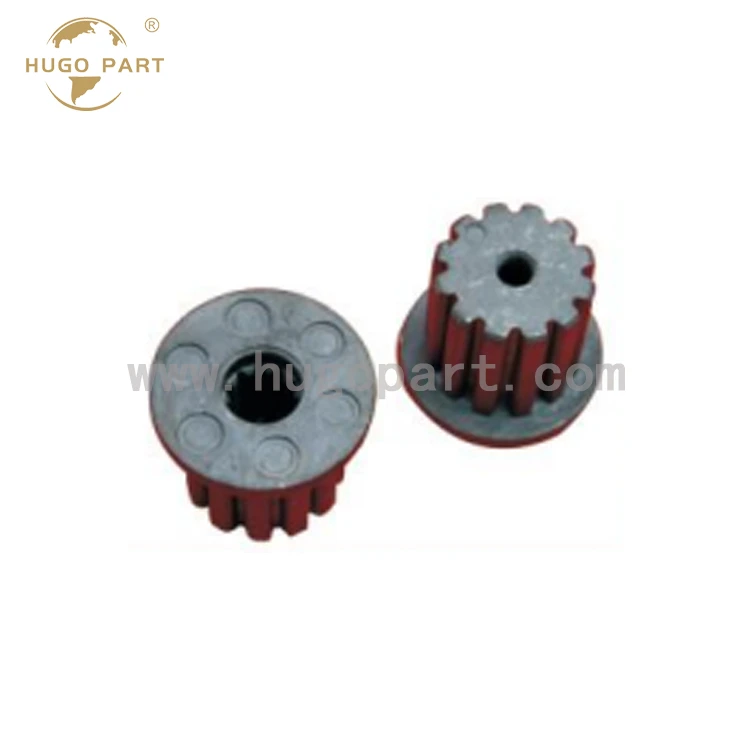
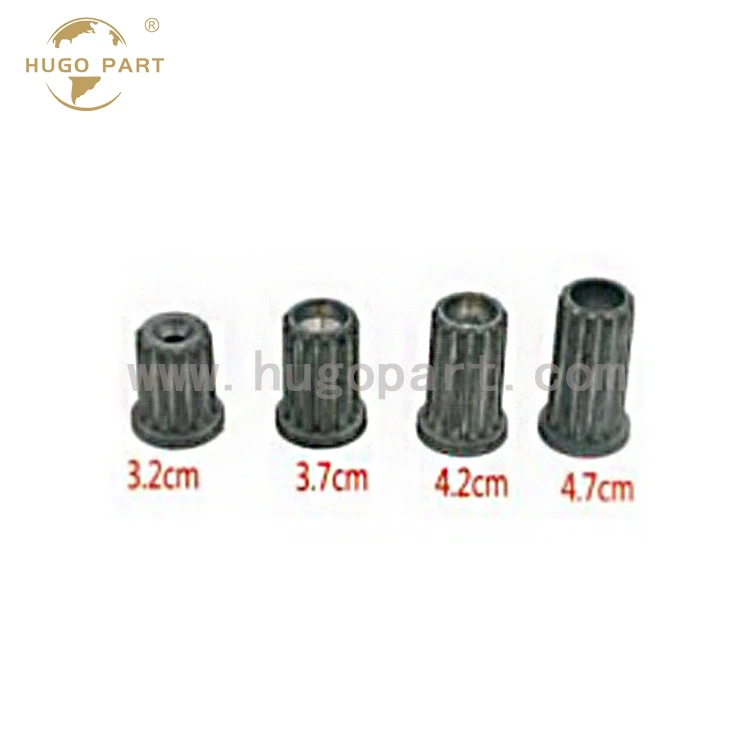
| Product name | 11-Tooth Washing Machine Wave Core |
| Available specification | 11 teeth and others |
| Available colors | Customization is available upon request |
| Samples available | Small quantity samples can be provided; specific details are negotiable |
| MOQ (Minimum Order Quantity) | Negotiable |
| Warranty time | Generally 1 year, except for special cases |
| Packing method | Carton packaging; specific details are negotiable |
| Place of origin | Ningbo, China |
Tooth Washing Machine Wave Core itself is a small loss component, but when used correctly, it can last for many years; If not used correctly, it is also easy to slip prematurely when newly installed. Daily maintenance should focus on four points: moisture-proof, anti loosening, anti overload, and regular inspection.
After installing the echo wheel, turn off the power and manually rotate it a few times to confirm that there is no jamming or deflection
First power on and idle for 2 minutes, observe for any "clicking" slipping sound, abnormal noise, or shaking
Check if the central fixing screw is tightened (do not twist the reverse nut)
Recheck the screw torque within one week after installation to prevent resonance loosening
Don't overload: If the clothes are too full, the resistance of the pulsator will increase dramatically, and the tooth core will bear too much torque, which is easy to grind and slip
Separate washing of large items: Bed sheets, duvet covers, and thick blankets are prone to tangling, leading to instantaneous overloading
Avoid hard objects from entering the bucket: coins, zipper heads, and screws may get stuck or break
After washing, try to remove the hair and thread on the surface of the pulsator as much as possible, and do not let impurities enter the shaft seam
Try to place the washing machine in a dry and ventilated place, and do not soak it in a stagnant water environment in the bathroom for a long time
After each wash, wipe dry the water droplets around the center screw and shaft hole of the pulsator
When disassembling and washing, a thin layer of neutral waterproof silicone grease/Vaseline can be applied to the shaft hole and tooth core (do not use engine oil, it will stain clothes and dissolve rubber)
Long term use: Run idle once every 2-3 months when powered on, moisture-proof and rust proof
Every 1-2 months: Use a soft bristled brush to clean the surface and bottom fluff of the wave wheel
Every 3-6 months: Disassemble the pulsator and thoroughly clean the bottom of the bucket of accumulated dirt and rust residue
During disassembly and assembly, check if the internal splines of the tooth core are rounded, if there are cracks on the external teeth, and if the fixing screws are rusted
If the following situations occur, stop the machine for inspection first and do not use it forcefully:
Motor rotation, slow rotation or no rotation of the pulsator (slipping of the tooth core)
Regular "click" sound during dehydration/washing (missing teeth or shallow meshing)
Rust water and abnormal noise appear at the center of the pulsator
The manual lifting wheel has radial shaking (due to worn teeth or increased shaft clearance)
Core grinding and sliding teeth: replace directly, do not repeatedly tighten and compact for use
It is recommended to check the wave wheels on both sides of the same machine at the same time to avoid uneven stress between the old and new ones
Replace the sealing ring/center screw at the same time as replacing the core to prevent secondary water ingress and corrosion
Do not forcefully tap during disassembly and assembly. Use a puller or symmetrical pry to avoid cracking of the wheel disc
11 tooth internal spline precision machining, closely matched with the output shaft of the reducer, with sufficient tooth contact, firmly engaged and non slip during forward and reverse switching. The external teeth are precisely aligned with the groove of the pulsator disc, and they bite tightly when installed, avoiding the embarrassment of "motor turning, pulsator not turning".
Made of high-strength metal material, strengthened by heat treatment, with high hardness and wear resistance on the tooth surface. Long term heavy load washing, frequent forward and reverse rotation are not easy to round or slide the teeth. Surface rust prevention treatment ensures no rusting or sticking in humid environments, resulting in a longer service life.
Standard 11 teeth, standard outer diameter, directly replace the original wave wheel core without modification or polishing. The repairman can reinstall it in its original position and complete it in 10-15 minutes, saving time and effort.
Quality issues can be confirmed with customer service through photos or videos, and a response will be given within 48 hours.
Damage to the pulsator core is usually manifested as: the motor is running normally but the pulsator does not rotate or rotates weakly, the water flow is weak during washing, the pulsator makes a "clicking" slip sound, and there is radial shaking when manually lifting the pulsator. If the above situation occurs, it is recommended to dismantle the machine and check whether the internal splines of the pulsator core are round and whether the external teeth are worn or broken. In addition, long-term overloading or moisture damage to the impeller core can accelerate wear and tear, and regular inspections can detect potential hazards in advance.
11 teeth refers to the number of teeth of the internal spline of the pulley core, which is the number of teeth that it meshes with the output shaft of the reducer. Before purchasing, remove the old wave wheel core, count the number of internal spline teeth, confirm it is 11 teeth, and measure the outer diameter, inner hole diameter, and total height to be consistent with the old part. Send photos or dimensions of the old parts to Hugo customer service, and we will confirm their compatibility within 30 minutes.
It is not recommended to continue using it. The slipping of the pulsator core means that the internal splines or external teeth are worn, which cannot effectively transmit torque. When washing, the pulsator rotates weakly, the water flow is weak, the clothes cannot be washed clean, and it will accelerate the wear of the reducer output shaft. If slipping is found, replace the new wave wheel core as soon as possible and check whether the output shaft of the reducer is also worn.
After replacing the new wave wheel core, it still cannot rotate. Possible reasons include: the wave wheel core is not fully inserted into the slot of the wave wheel disc, the central screw is not locked, causing slippage, the gearbox itself is faulty (gear wear, jamming), the motor is faulty (capacitor damage, winding burnout), and the wave wheel is stuck by foreign objects. It is recommended to manually rotate the pulsator first to confirm if it is stuck, then check if the reducer and motor are normal, and finally confirm if the pulsator core is installed properly.

Address
Dongshantou Industrial Park, Guanhaiwei Town, Cixi City, Ningbo Province, Zhejiang Province, China