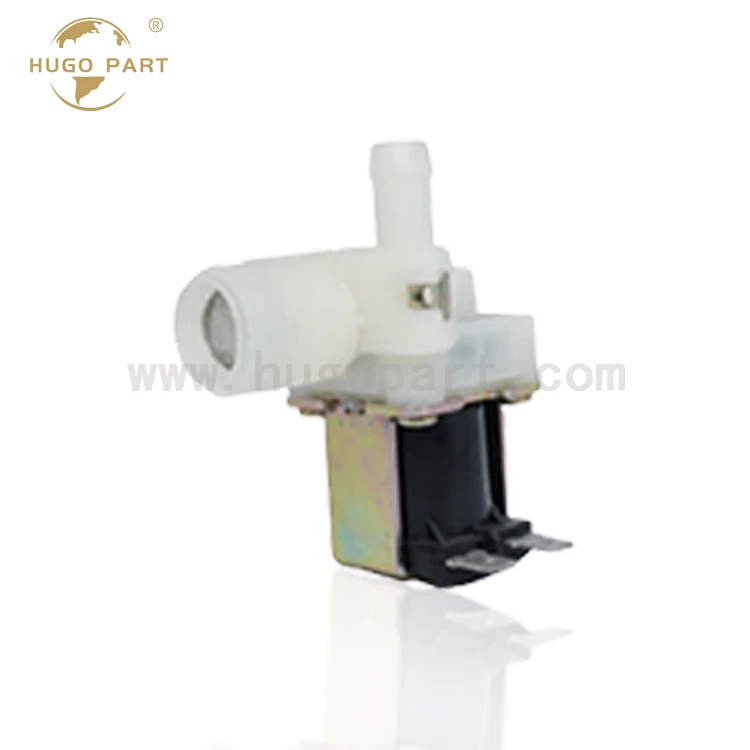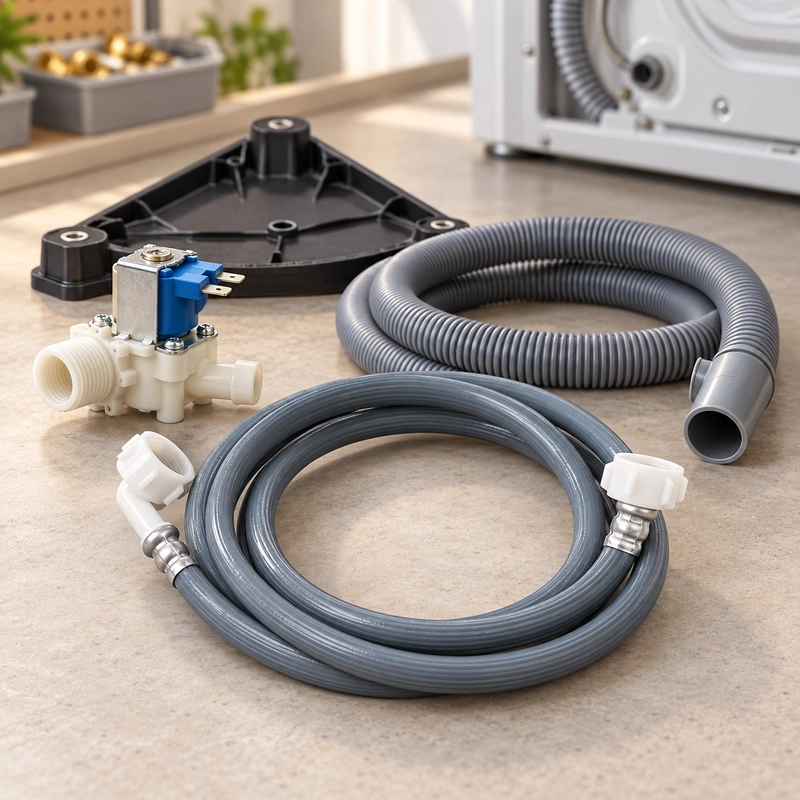
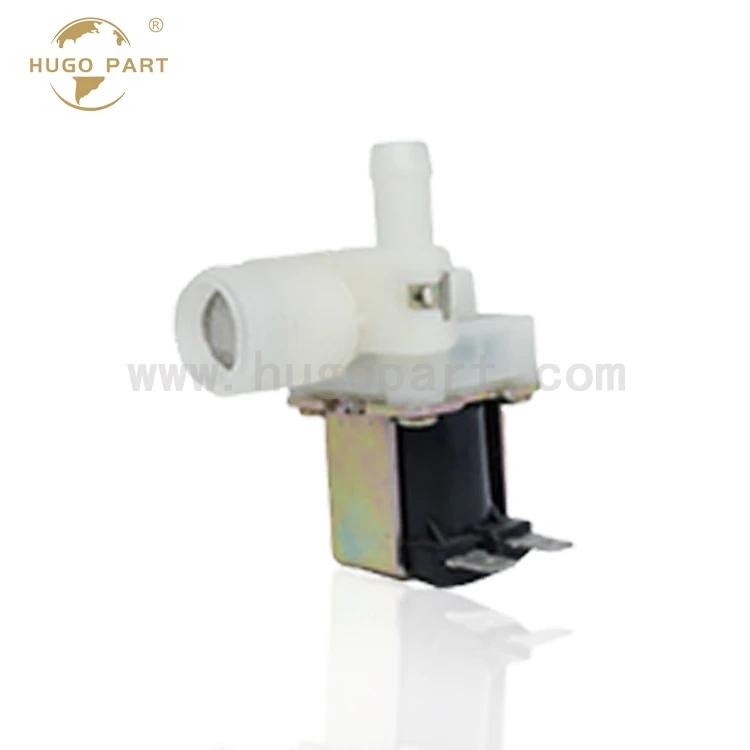
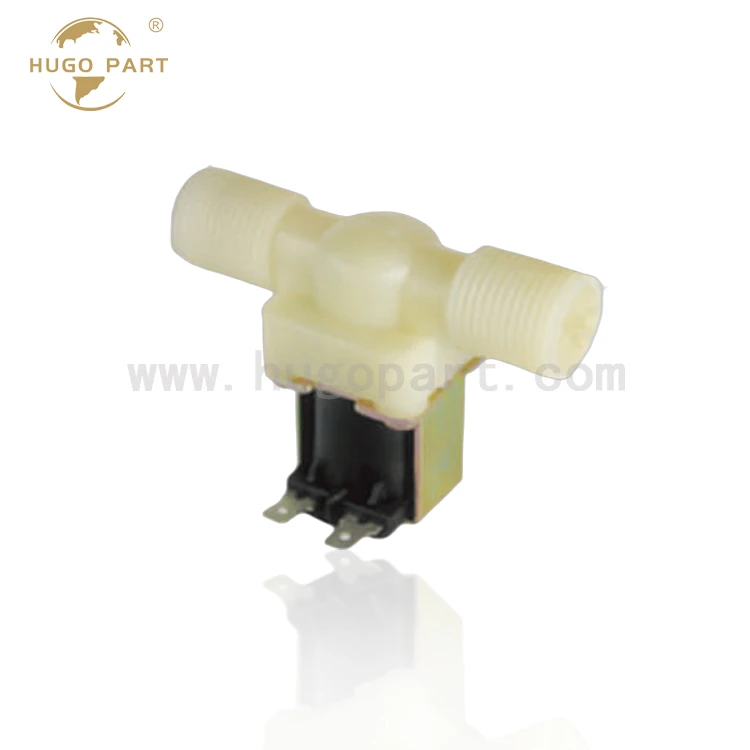
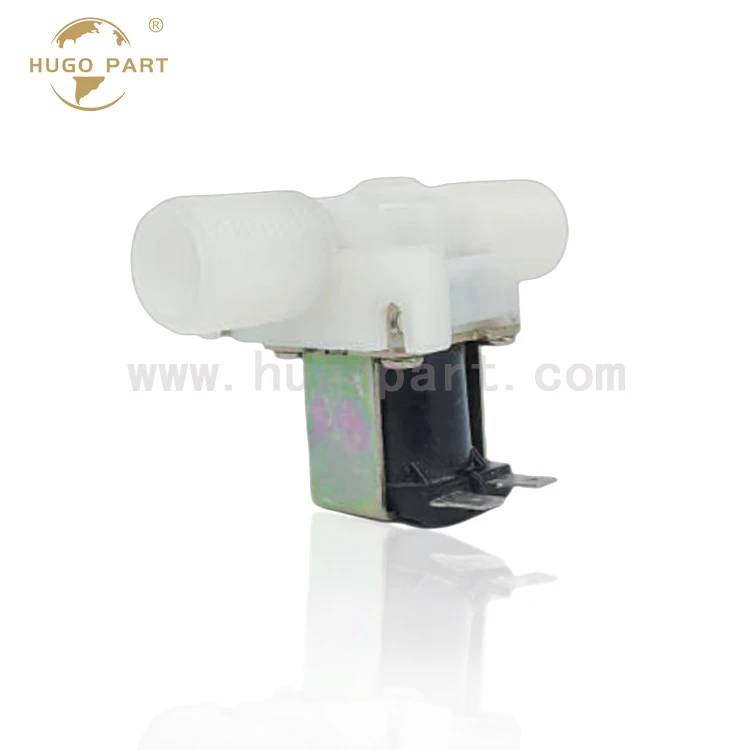
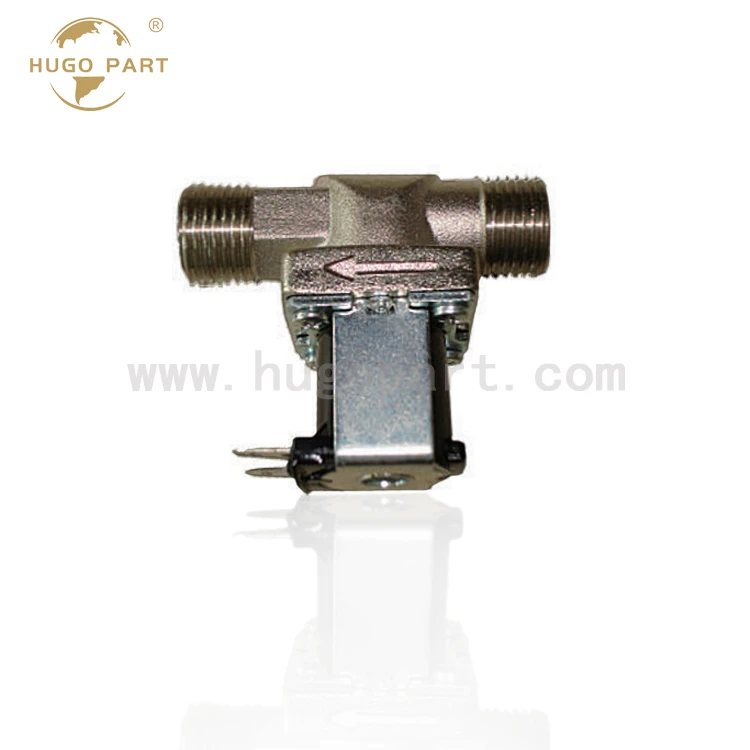
As a professional supplier, we are able to provide comprehensive customization services. Hugo 90-180 Degree Washing Machine Water Inlet Valve is widely used in semi-automatic twin-tub washing machines for reliable water inflow control. It is specifically designed to accommodate different machine layouts and hose routing requirements, ensuring seamless integration with the water supply system. There is a precision-engineered solenoid core inside the valve, combined with a corrosion-resistant coating, so that consistent open/close response and leak-free operation can be guaranteed.
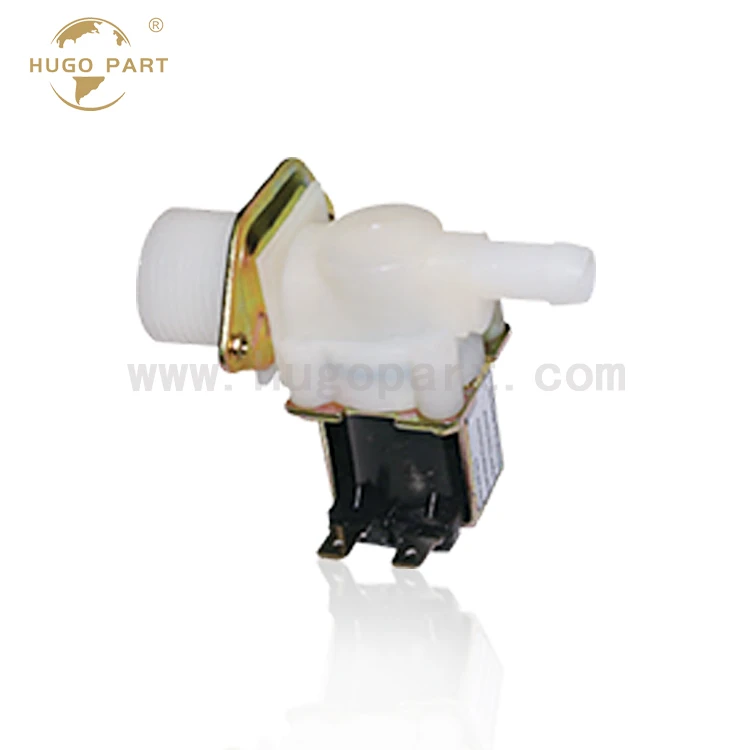
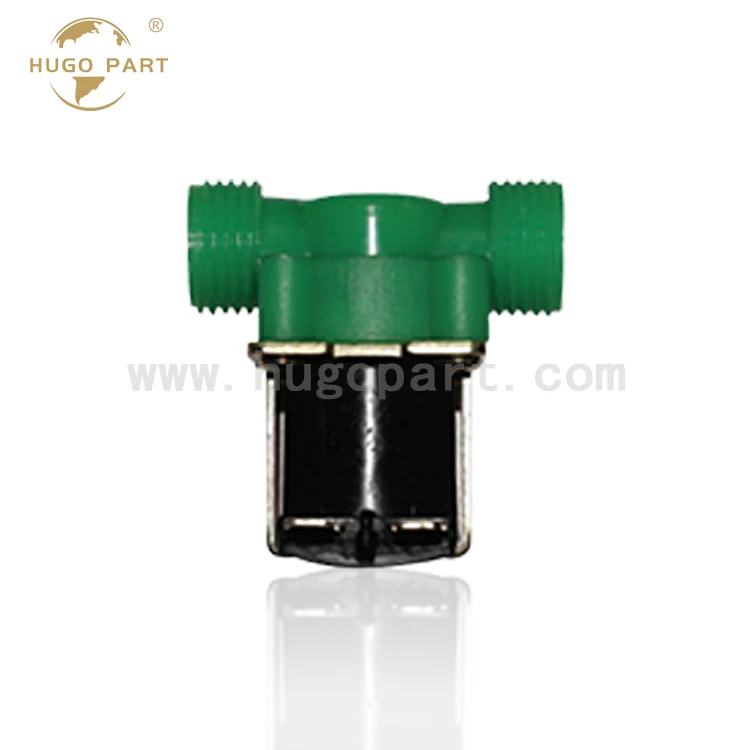
The 90-180 degree Washing Machine Water Inlet Valve is the core component for controlling water intake in washing machines. It is installed at the water inlet of the washing machine, connecting the tap water inlet pipe to the internal water circuit of the washing machine, and is responsible for controlling the entry and stop of water according to program instructions.
The washing machine does not receive water or receives water slowly;
The water continues to enter even when it is full;
The inlet valve is powered on but there is no suction action (coil burned out);
The blockage of the filter screen leads to a significant decrease in traffic;
Valve body leakage or seal failure.
| Product name | 90-180 Degree Washing Machine Water Inlet Valve |
| Available specification | 90-180 degrees |
| Available colors | Customization is available upon request |
| Samples available | Small quantity samples can be provided; specific details are negotiable |
| MOQ (Minimum Order Quantity) | Negotiable |
| Warranty time | Generally 1 year, except for special cases |
| Packing method | Carton packaging; specific details are negotiable |
| Place of origin | Ningbo, China |
The inlet of the 90-180 degree Washing Machine Water Inlet Valve is equipped with a stainless steel filter screen, which is prone to blockage by sediment, rust, and scale after prolonged use, resulting in slower or even no water intake.
Frequency: It is recommended to clean once every 3-6 months; It is recommended to clean areas with poor water quality (such as well water and old residential pipelines) every 1-2 months
Method: Turn off the faucet → Unscrew the inlet pipe → Remove the filter screen → Use an old toothbrush or soft bristled brush to clean under running water → Reinstall to its original position → Connect the water pipe → Open the faucet for testing
The rubber sealing ring at the connection between the inlet pipe and the valve body may be subjected to long-term pressure, which may cause aging and deformation, leading to water leakage.
Every time you clean the filter screen, check the sealing ring for cracks, deformation, and hardening
If the sealing ring is found to be aging, replace it in a timely manner to avoid slow water leakage at the joint
Tighten the joint by hand, do not use a wrench to tighten it tightly, to prevent thread slippage
It is recommended to install a pre filter (Y-shaped filter or transparent filter cup) at the front end of the inlet pipe, which can significantly reduce the entry of impurities into the valve body
After a long period of water outage, restore the water supply. First, turn on the faucet and drain the water for 1-2 minutes to flush away the sediment in the pipeline before connecting to the washing machine
Avoid directly inserting the inlet pipe into non-standard water sources such as buckets and water tanks, as impurities and air may enter the valve body
The rated working water pressure of the inlet valve is 0.03-0.8MPa. If the water pressure is too low, it will cause slow inlet, and if it is too high, it will damage the valve body seal
It is recommended that the inlet water temperature should not exceed 40 ℃. Long term hot water supply will accelerate the aging of the internal sealing components of the valve body
If there is a large fluctuation in water pressure at home, it is recommended to install a stabilizing valve to protect the inlet valve
When the washing machine is not in use, it is recommended to turn off the faucet to reduce long-term pressure on the valve body
In cold regions during winter, if not in use for a long time, please drain the accumulated water in the inlet pipe to prevent freezing and cracking of the valve body
Avoid frequent plugging and unplugging of power plugs. In areas with unstable voltage, it is recommended to install a voltage regulator to protect the electromagnetic coil
There is an abnormal buzzing sound when entering the water but no water comes out. It is possible that the coil is closed but the valve core is stuck. Please check and repair it in a timely manner
The water intake has slowed down significantly → prioritize cleaning the filter screen to eliminate blockages
Continuous water ingress → Possible valve core seal failure, replacement requiredExport project case
Vietnam Point Repair Chain Wholesale Project
Customer type: Home appliance repair chain market wholesaler
Pain points of demand: The inlet valve of the semi-automatic dual cylinder washing machine is prone to leakage, the coil is prone to burning, and the local voltage is unstable (220V ± 15%)
Provide a 90 ° single valve+180 ° double valve hybrid stocking package
Thick copper winding coil, withstand voltage AC1500V, suitable for wide voltage range
100% on/off test+air tightness and water leakage detection before each shipment
Delivery results: First order of 1000 units, 2 repeat purchases; The customer feedback that the repair rate for water leakage is half lower than before has been included in the fixed procurement list.
The malfunction of the 90-180 degree Washing Machine Water Inlet Valve is usually manifested as: the washing machine does not receive water, slowly receives water, continues to receive water even after it is full, there is no suction sound after power on, and the valve body leaks water. If the above situation occurs, it is recommended to first check whether the inlet valve is powered on and whether the filter screen is blocked, and then determine whether it needs to be replaced after troubleshooting. In addition, long-term use of the inlet valve in water environments with high impurities can accelerate wear and tear, and regular cleaning of the filter screen can extend its service life.
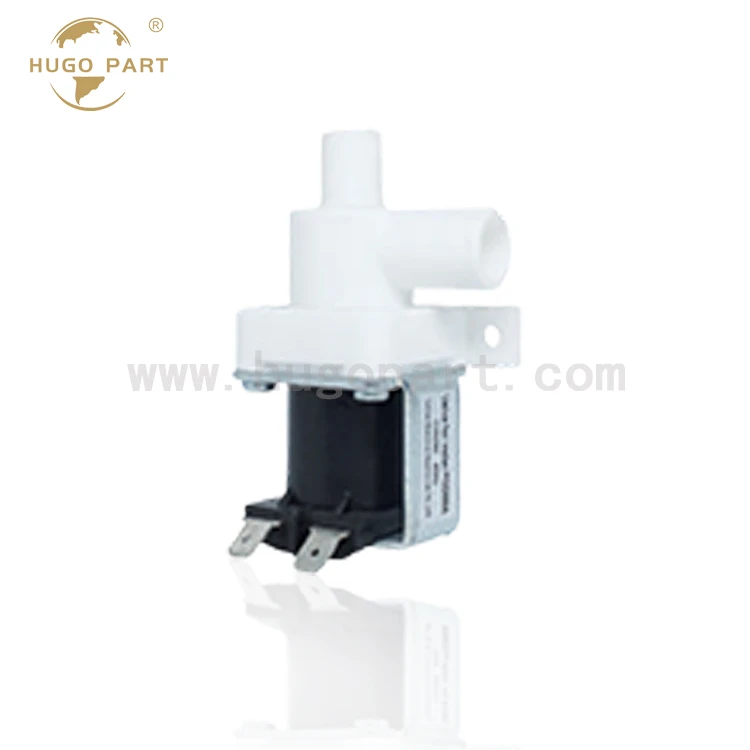
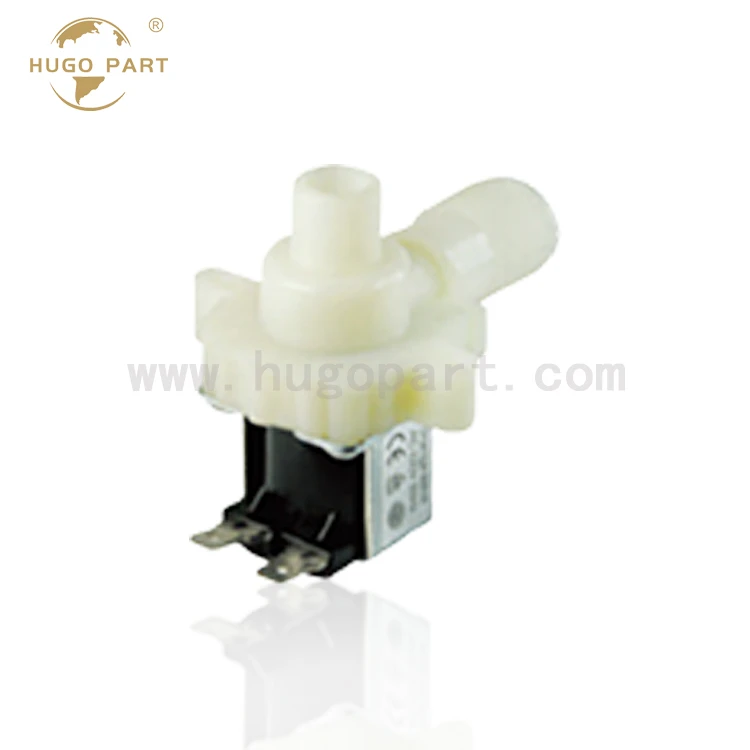
90 degrees and 180 degrees refer to the angle direction between the outlet and inlet of the inlet valve. 90 degrees is suitable for models with water inlet on the side and water pipes that need to be turned and routed; 180 degrees is suitable for models with the inlet located directly behind and the water pipe running straight out. Before purchasing, remove the old valve and check the interface direction of the original valve to determine. If unsure, take photos of the front and side of the old valve and send them to Hugo customer service. Confirm the compatible model within 30 minutes.
Installation is very simple and does not require professional tools. First, turn off the faucet, remove the inlet pipe, remove the old valve, reinstall the new valve in the original direction, and connect the inlet pipe. It usually takes 5-10 minutes to complete. Please ensure that the sealing ring is in place and the joint is tightened to prevent water leakage. After installation, turn on the faucet and conduct a power test to confirm that the water inlet is normal and there is no leakage.
Hugo inlet valve adopts precision electromagnetic coil and anti-corrosion coating. The valve port is equipped with a stainless steel filter screen, which can effectively intercept impurities such as sediment and rust, and prevent blockage. If the local water quality is poor, it is recommended to remove the filter screen and clean it every 3-6 months, which can significantly extend its service life.
Address
Dongshantou Industrial Park, Guanhaiwei Town, Cixi City, Ningbo Province, Zhejiang Province, China