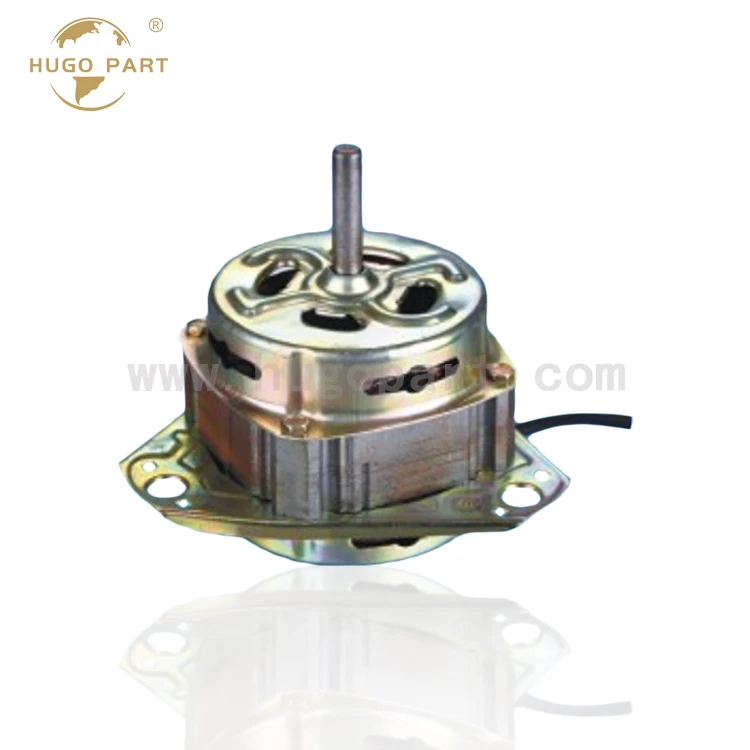
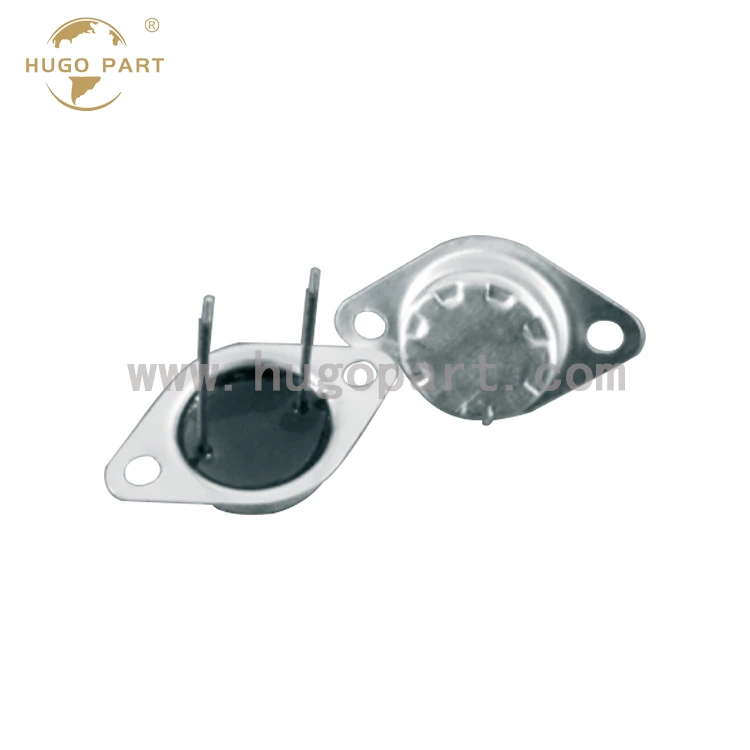
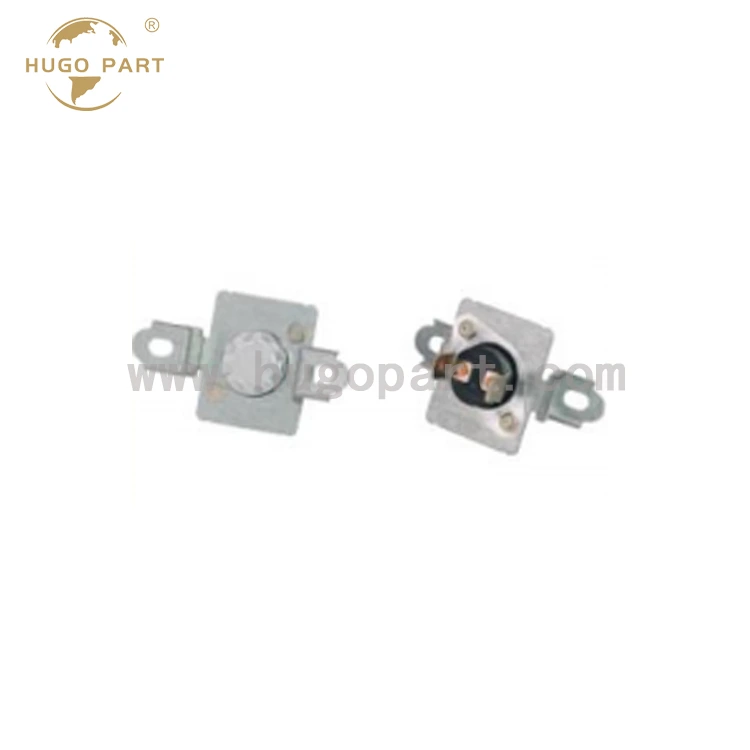
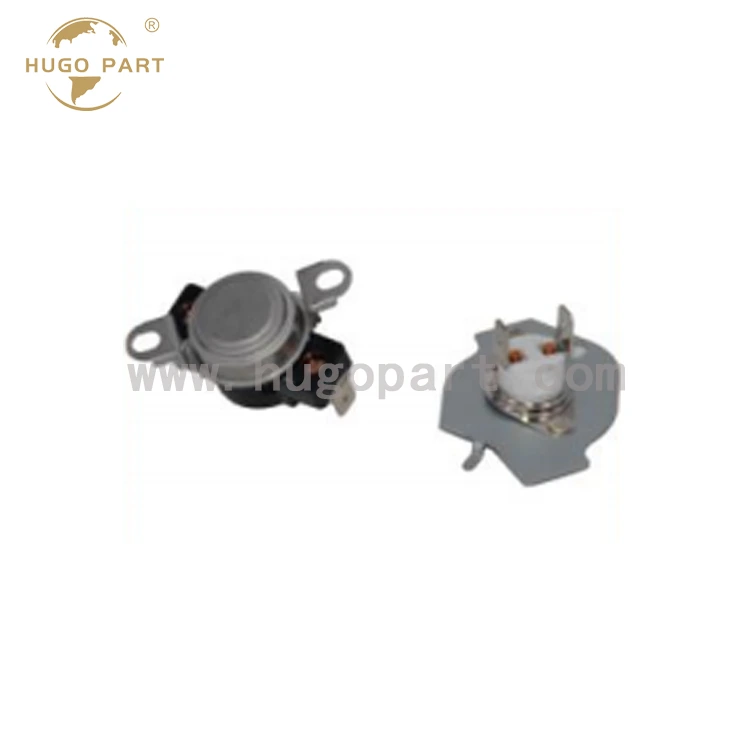
Hugo 2-Pin Washing Machine Temperature Sensor is widely used in semi-automatic twin-tub and fully automatic washing machines as a water temperature monitoring probe. It is specifically designed to detect the real-time water temperature inside the tub and feed the signal back to the main control board, ensuring accurate heating control and preventing overheating during wash cycles. There is a sealed stainless-steel or resin shell on the sensor, combined with a standard 2-pin connector, so that moisture, detergent, and high-heat resistance can be guaranteed. The biggest feature of this temperature sensor is its fast response and stable resistance, restoring accurate temperature reading, correct heating behavior, and error-free operation for long-term reliability.
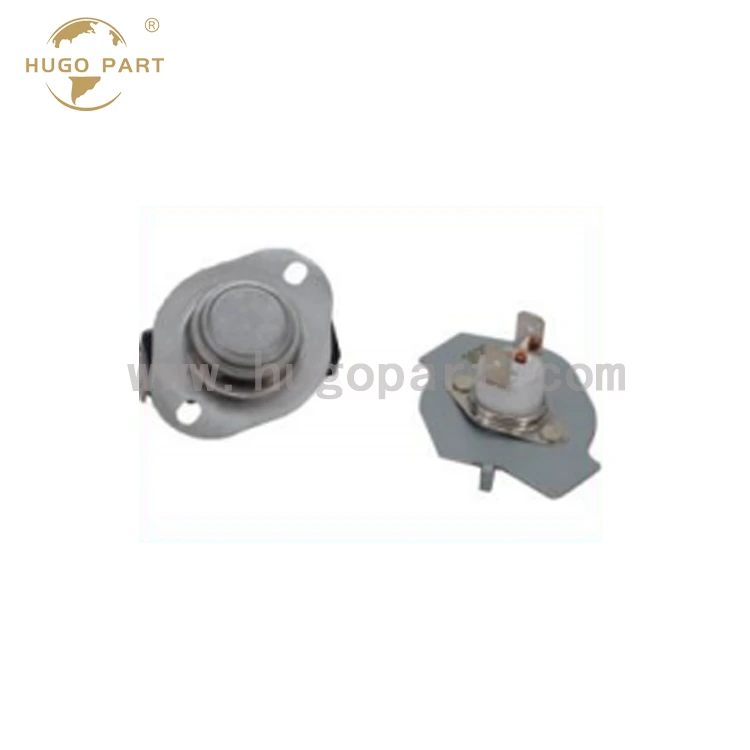
| Product name | 2-Pin Washing Machine Temperature Sensor |
| Available specification | 2-Pin |
| Available colors | Customization is available upon request |
| Samples available | Small quantity samples can be provided; specific details are negotiable |
| MOQ (Minimum Order Quantity) | Negotiable |
| Warranty time | Generally 1 year, except for special cases |
| Packing method | Carton packaging; specific details are negotiable |
| Place of origin | Ningbo, China |
The 2-pin Washing Machine Temperature Sensor is made of high-quality materials that can tightly adhere to the heating tube or bucket wall of the washing machine. It is fixed with screws to prevent vibration, detachment, and long-term operation without displacement.
Standard 2-pin straight metal pins, with regular orientation, can be directly connected to the original machine plug or soldered wire harness without the need for wiring changes. They can be repaired, replaced, and plug and play, greatly reducing maintenance time.
The metal shell is sealed with the internal black sealant, which effectively insulates the water, detergent and foam from penetration, and is resistant to humid and alkaline environments. The resistance value is stable for a long time and does not drift to avoid false alarm.
Built in high-sensitivity resistor, real-time monitoring of water temperature changes, quick feedback to the main control board, precise control of heating on/off, preventing excessive water temperature or insufficient heating.
The back metal bottom shell has a circular protrusion and tooth shaped structure, which enhances the contact area and thermal conductivity efficiency with the temperature measuring surface, ensuring faster and more accurate temperature collection.
The metal shell and packaging material are resistant to high temperatures and cold and hot cycles, and will not fail after long-term use, ensuring reliable operation of the washing and drying cycle of the washing machine.
The temperature sensor is the "temperature measuring eye" of the control board. Incorrect installation, connection, or collision can lead to inaccurate temperature control and false alarm faults. Pay attention to the following points during use:
Check the resistance value and B value: Confirm that the resistance value (such as 10k Ω) and B value (such as 3950K) of the new sensor are consistent with the original machine. Parameter mismatch can cause reading deviation and temperature control inaccuracy.
Verify pin definition: 2-pin has no polarity, but it is necessary to confirm that the plug form and pin spacing match the original socket to avoid damaging the terminals due to hard insertion.
Check appearance: The metal flange is not deformed, the sealant is not cracked, and the pins are not bent. Do not install if there is damage.
Power off operation: Before replacement, be sure to disconnect the power supply and unplug the plug to prevent damage to the control board caused by live plugging and unplugging.
Flange fitting in place: The metal flange surface should be tightly attached to the temperature measuring surface (heating tube wall or barrel wall), with screws symmetrically tightened, and a thin layer of thermal conductive silicone grease can be applied in the middle to improve response speed.
Do not overtighten: The screw torque should be moderate to avoid flange deformation, fracturing sealant or damaging internal components.
Do not apply force to the pins: When wiring, avoid pulling or bending the root of the pins to prevent internal solder joints from cracking.
Wire harness fixation: The cable is fixed along the original path, away from heating elements and moving parts, to prevent long-term friction, skin breakage, and short circuits.
Insert the plug into place: After inserting, gently pull to confirm that the lock is in place, to avoid false connection causing signal jumping and false alarm of fault codes.
Avoid dry burning: Sensors rely on water or heating surfaces for heat transfer, and dry burning without water will cause them to overheat and fail. It is necessary to confirm that the water level is normal before starting heating.
Prevent scaling and covering: Long term use of scale covered probes can affect temperature measurement response. Regularly remove scale and clean the probe surface.
Avoid strong impact: When disassembling other components, prevent tools from bumping into the sensor, as deformation of the metal shell can cause damage to internal components.
Pay attention to moisture prevention: Although the sealing design is used, long-term water accumulation should still be avoided at the plug terminals to prevent oxidation and poor contact of the terminals.
Fault diagnosis before replacement: When there is no heating, inaccurate water temperature, or E1/E2 fault code, first use a multimeter to measure whether the resistance changes normally with temperature, and then decide whether to replace it to avoid accidental replacement.
Do not use ordinary resistors as substitutes: Temporary short circuits or using fixed resistors as substitutes can cause temperature control failure and pose a risk of dry burning.
Same batch parameters consistency: During batch maintenance, ensure that the sensor parameters of the same batch are consistent to avoid different readings on the same machine.
Comparison of old parts retention: Retain removed old parts for easy comparison of resistance, pin form, and installation size.
Store in a dry environment to avoid high temperatures and humidity
Avoid squeezing and bending the pins, and lay the entire package flat
Stay away from strong magnetic fields and corrosive gases
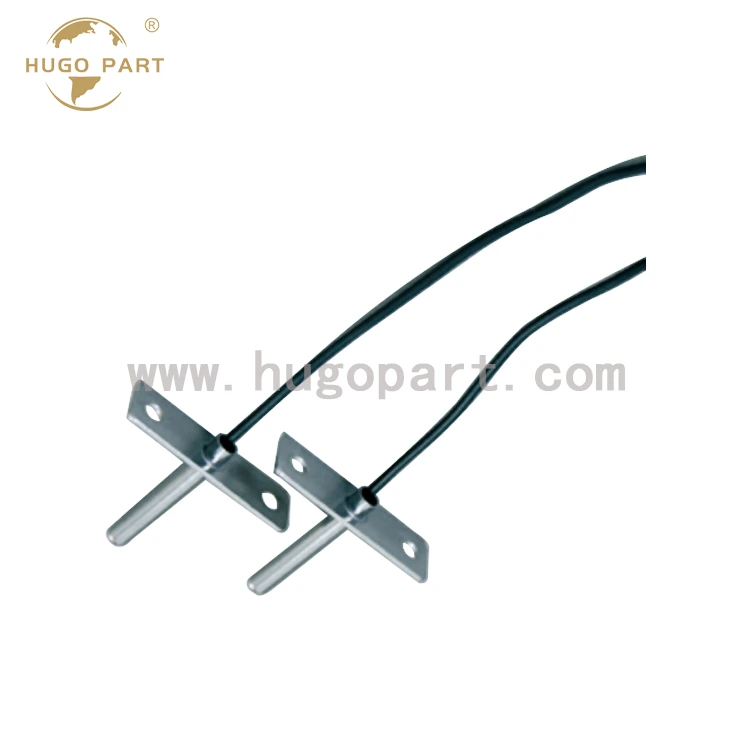
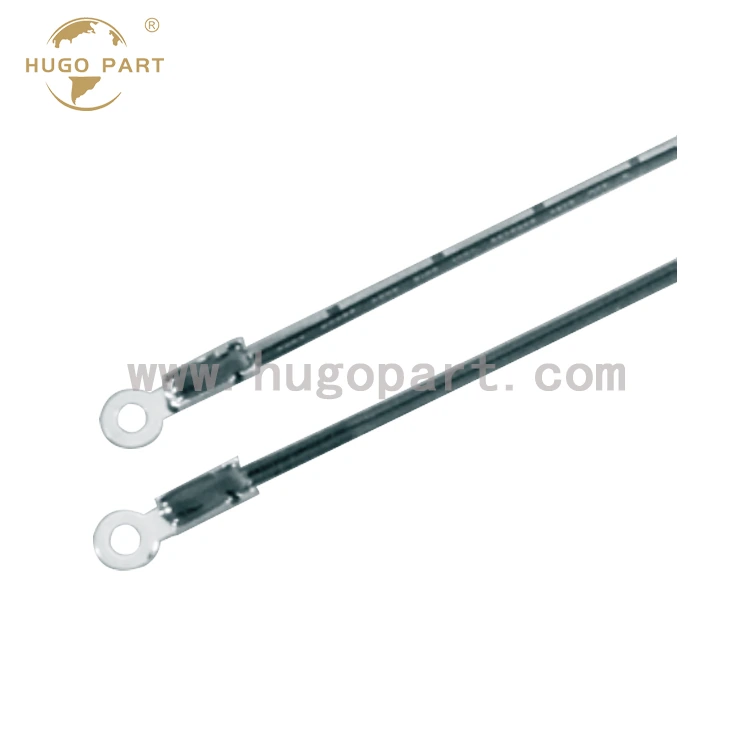
A: 2-pin Washing Machine Temperature Sensor with dual mounting holes, requiring screws to fix and adhere to the heating tube wall, providing faster temperature response and greater resistance to high temperature vibrations; Ordinary probes are mostly resin/stainless steel cylinders, relying on buckles or immersion. This model is compatible with mainstream semi-automatic/fully automatic/drum washing machines that require flange fixation and a 2-pin straight insertion interface (it needs to be confirmed that the original machine installation structure is consistent).
A: 2-pin non-polar, can be directly plugged or soldered. But it is necessary to verify the original NTC parameters, as parameters that do not match can cause temperature deviation, heating loss of control, or fault codes to be reported on the main control board. It is recommended to use a multimeter to compare the resistance value of the old parts at room temperature, or match them with the original accessory number of the washing machine.
A: It is recommended to apply a thin layer of thermal conductive silicone grease between the metal flange and the temperature measuring surface (to improve heat conduction and response speed). The screws should be tightened symmetrically and moderately to ensure a seamless fit, but excessive force should be avoided to prevent flange deformation and fracturing of the sealant. After installation, gently pull the wiring harness to confirm that the plug lock is in place.
A: Not necessarily. First, cut off the power and measure the resistance of the sensor: if the resistance is abnormal at room temperature (such as open/short circuit), or if there is no change in resistance during heating, it is mostly due to sensor failure; If the resistance value changes normally with temperature, it may be due to virtual connection of the plug, damaged wiring harness, control board malfunction, or scale coverage. It is recommended to clean the probe, check the wiring, and then determine the replacement to avoid accidental replacement.
Address
Dongshantou Industrial Park, Guanhaiwei Town, Cixi City, Ningbo Province, Zhejiang Province, China