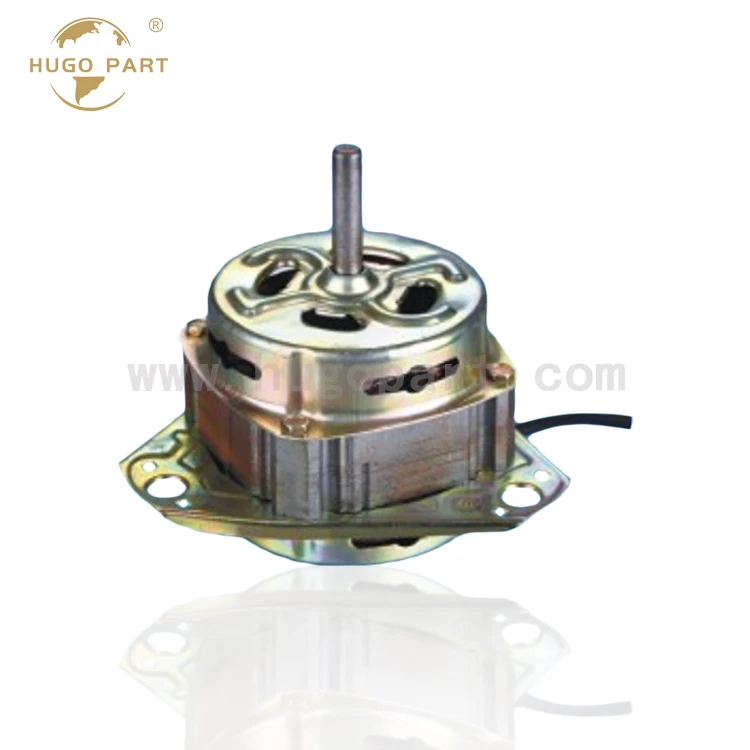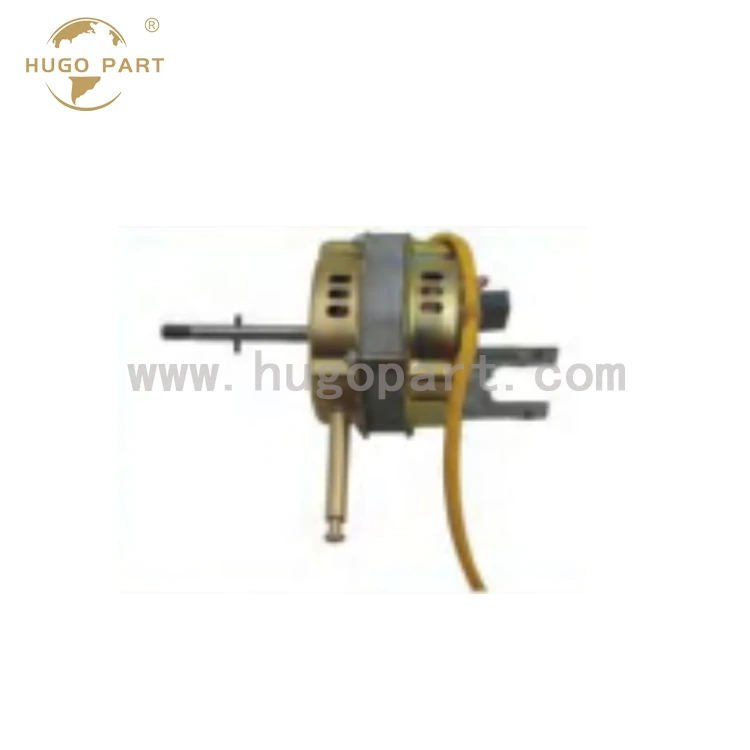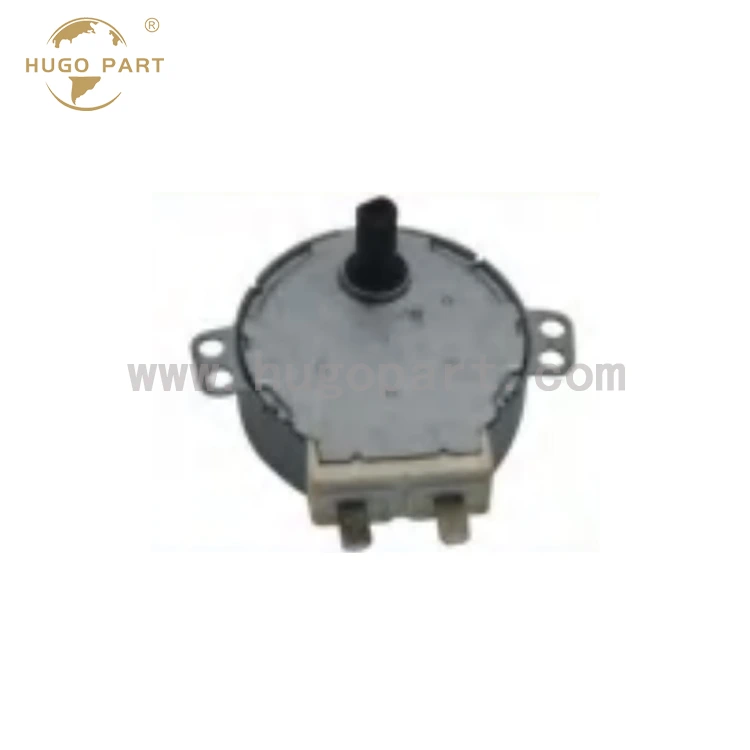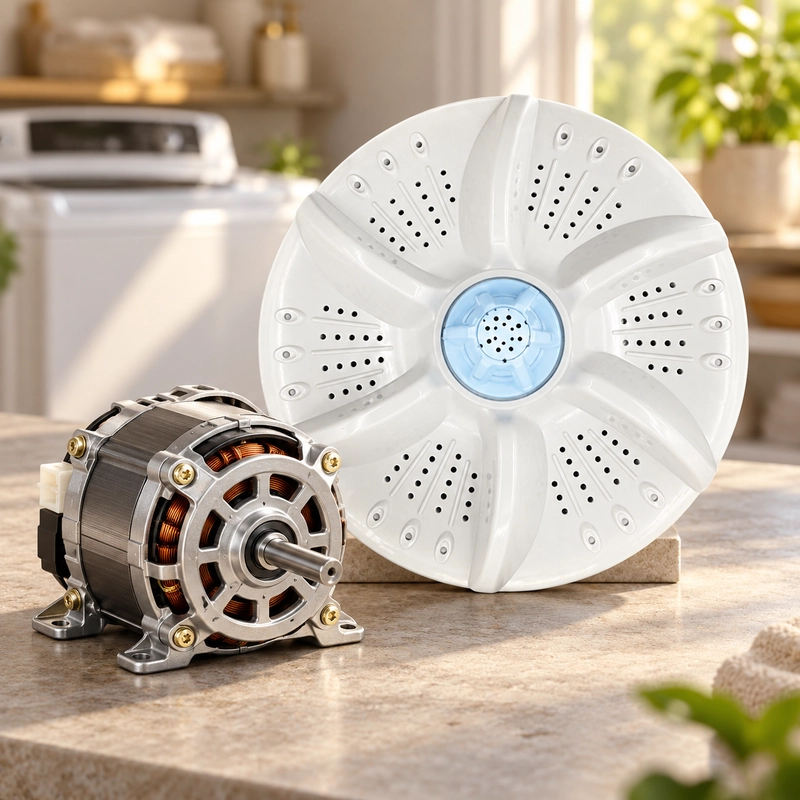
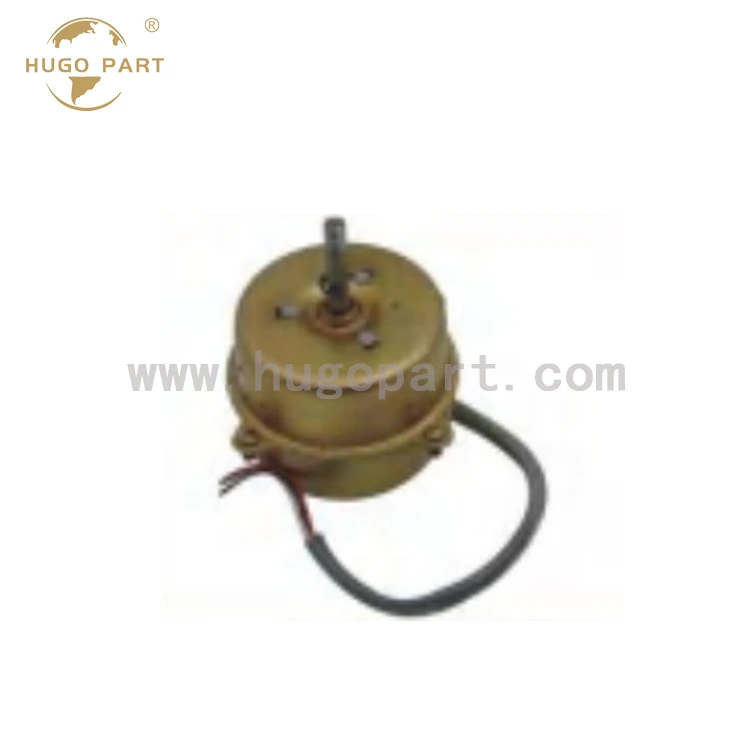
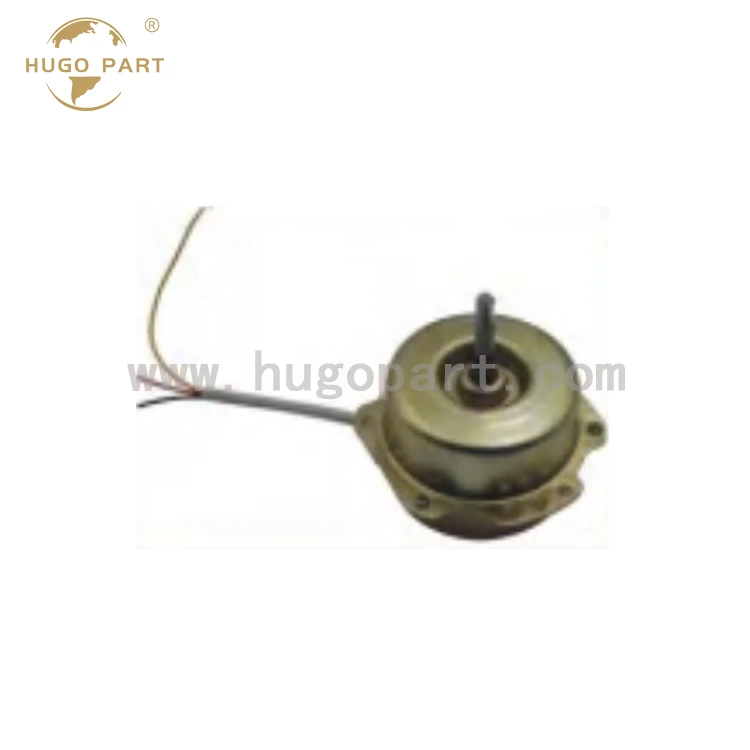
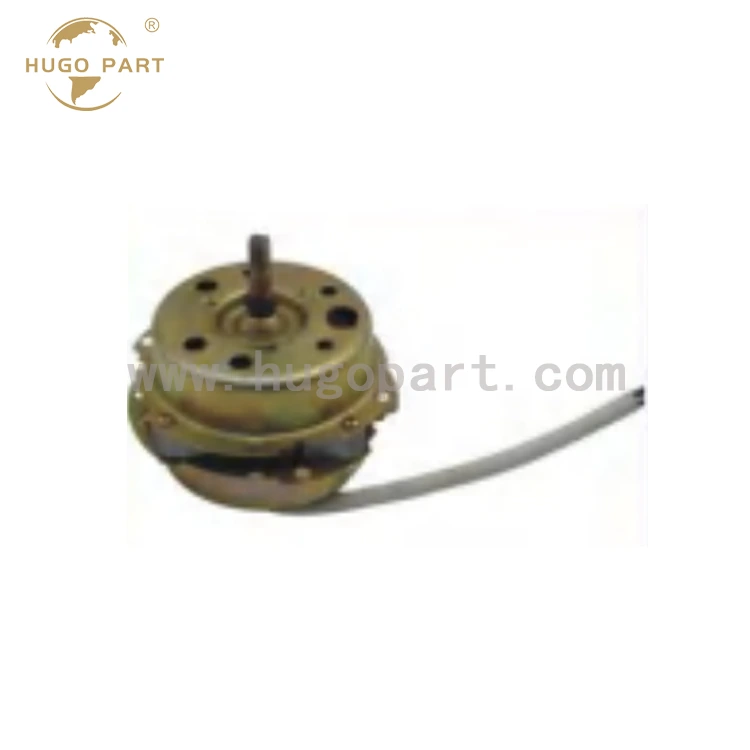
Hugo 40-110W Exhaust Fan Motor is widely . It is specifically designed to turn electrical power into steady, low-vibration rotation that pulls steam, grease, moisture, and odors out of the space, delivering enough airflow for real extraction without the power draw of industrial blowers. There is a flame-retardant plastic or coated steel housing on the motor, combined with a copper-winding stator, a precision rotor, oil-impregnated or sealed ball bearings, and a built-in overheat protector, so that continuous operation, low noise, and long-term reliability in warm, humid, and oily environments can be guaranteed. The biggest feature of this exhaust fan motor is its stable mid-range airflow and heat-resistant structure, ensuring the fan keeps clearing the air quietly through long daily running hours.
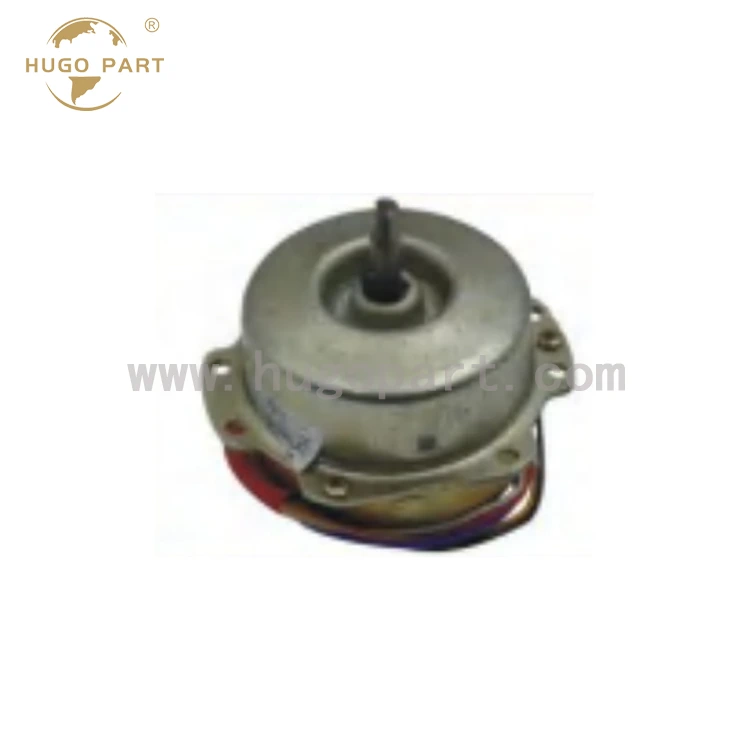
40W-110W covers most household range hoods, bathroom ventilation fans, and small commercial ventilation equipment. More powerful than mini fans and more energy-efficient than industrial fans, selecting the right power can completely remove oil, smoke, and moisture, without relying on "high-power" hardtop.
The ventilation fan is often turned on for several hours, causing the motor temperature to rise and it is prone to breakage. Hugo's 40-110W Exhaust Fan Motor has stable conductivity, low heat generation, controllable winding temperature rise during continuous operation, and a more practical lifespan.
The rotor is dynamically balanced and equipped with oil containing bearings or sealed ball bearings, ensuring smooth operation and low noise. Cooking in the kitchen and ventilating in the bathroom at night will not cause a buzzing noise.
Flame retardant plastic shell or coated steel shell, bearing with high-temperature resistant lubricating grease, installed inside the range hood for long-term heating, oil stains are not easy to get stuck, do not leak oil, and do not deform.
The winding is equipped with an overheat protector, which automatically shuts off the power when the motor is overloaded or has poor heat dissipation, avoiding burning and smoking of the winding, and providing a more secure use.
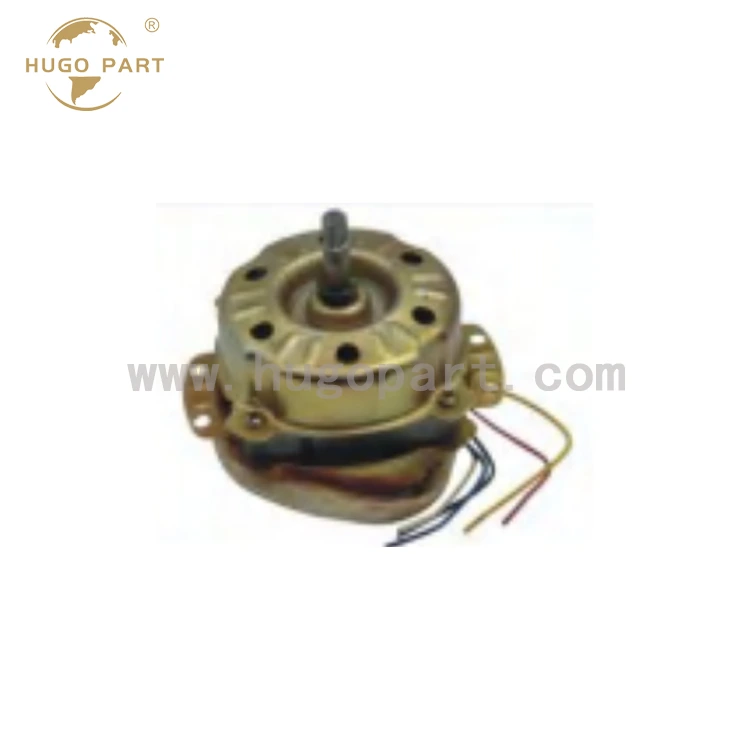
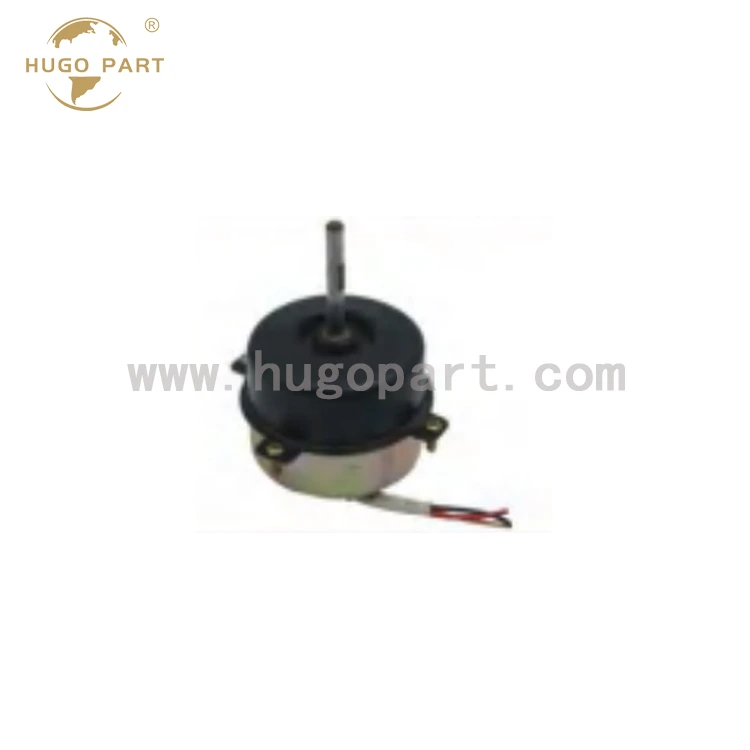
| Product name | 40-110W Exhaust Fan Motor |
| Available specification | 40-110W |
| Available colors | Customization is available upon request |
| Samples available | Small quantity samples can be provided; specific details are negotiable |
| MOQ (Minimum Order Quantity) | Negotiable |
| Warranty time | Generally 1 year, except for special cases |
| Packing method | Carton packaging; specific details are negotiable |
| Place of origin | Ningbo, China |
Wipe the casing once a month: After turning off the power, use a damp cloth or neutral cleaner to wipe, do not rinse directly with water.
Quarterly cleaning of fan blades: Accumulation of oil on fan blades can cause loss of dynamic balance, increased noise and vibration, and also increase motor load. Remove the fan blades, soak them in warm water and detergent, let them dry, and then reinstall them.
Don't block the air outlet: The exhaust pipe of the range hood should not be excessively bent or flattened, and the air outlet of the bathroom ventilation fan should not be blocked by ceiling debris. The air duct is blocked, and the motor is prone to overheating due to long-term high load operation.
The check valve should be able to open and close: the check valve of the range hood is stuck by oil and cannot be opened, the exhaust is blocked, and the motor runs in white. Regularly check whether the check valve is flexible.
Regular cleaning of filter screen: Severe oil accumulation on the range hood filter screen can increase air resistance. It is recommended to clean it once every 1-3 months according to the frequency of use.
Abnormal noise heard: Normal operation is smooth wind noise. If there is a "buzzing" muffled sound, a "clicking" friction sound, or a metal scraping sound, it indicates that the bearing is dry, the fan blade scraping shell or the rotor has problems, and the machine should be stopped for inspection in a timely manner.
Touching the shell temperature: After running for a period of time, the shell temperature is normal. If it is obviously hot, it indicates poor heat dissipation or excessive load. It is necessary to check the air duct and winding.
Check the speed: the suction force has significantly decreased and the speed has slowed down. First, check for air duct blockage and voltage, and then determine whether the bearings are worn or the windings are aging.
Oil bearing model: If the noise increases, it is mostly due to bearing wear. It is recommended to replace the motor directly and not disassemble and add oil by yourself.
Ball bearing model: Sealed structure, no maintenance required for normal use. Do not blow high-pressure air gun towards the bearing to avoid damaging the seal and blowing in dust.
Power off maintenance: Before any cleaning or disassembly, the power must be unplugged, and the capacitor must be discharged before operation.
Check the wiring harness: Regularly inspect the power cord for any skin damage, aging, oil corrosion, and loose plugs. The wires in the high-temperature and oily environment of the kitchen age quickly, and if they are found to be damaged, they should be replaced in a timely manner.
Grounding must be reliable: Metal shell motors must be reliably grounded, especially for bathroom ventilation fans to avoid electrical leakage in humid environments.
Don't switch on and off frequently: Repeatedly starting and stopping in a short period of time can have a significant impact on the motor. Before cooking, turn it on in advance, and then turn it off a few minutes later after finishing to exhaust any remaining oil fumes.
Avoid long-term overload: Do not forcefully open when the air duct is not smooth, first solve the blockage problem.
Long term disuse requires moisture prevention: If the bathroom ventilation fan is not used for a long time, moisture can easily enter the winding. It is recommended to regularly power it on and run it for a few minutes to remove moisture.
Common manifestations: The motor buzzes but does not turn after being powered on, or needs to be manually turned before turning; The exhaust suction force has significantly decreased, making it difficult to extract oil fumes; The noise during operation increases, resulting in friction or muffled sounds; The motor casing is hot and even emits a burnt smell; Frequent triggering of overheating protection and automatic shutdown. In these situations, first check if the air duct is blocked and if the fan blades are stuck, and then determine if the motor itself is faulty.
It's not the bigger the better, you should choose according to the original machine power and air duct resistance. Low power, insufficient wind pressure, unclean oil fume exhaust, and motor overheating due to long-term full load; Excessive power, increased noise and power consumption, and possible air duct resonance due to excessive airflow. When selecting, check the old motor nameplate for power and speed, or match it according to the air volume requirements of the range hood and ventilation fan. If not, send the nameplate photo to Hugo customer service for confirmation.
Common reasons: Failure of starting capacitor (most common for capacitor models); The fan blades are stuck or jammed by oil stains; Dry bearings and rotor jamming; Partial short circuit of winding; The power supply voltage is too low. Troubleshooting sequence: After power failure, manually turn the fan blades to check for smoothness, then measure the capacitance, and finally check the winding and power supply. Don't directly judge the motor as scrapped.
First, eliminate mechanical and air duct issues: whether the fan blades are installed backwards, whether the oil accumulation is too thick, whether the air outlet duct is bent and flattened, whether the check valve is stuck by oil and cannot be opened, and whether the filter screen is blocked. All of these will make the new motor "powerless". After the air duct is normal, check if the voltage is too low and if the motor speed meets the standard.
Hugo motors use pure copper windings, high-temperature resistant bearing grease, and built-in overheat protection, and can be used normally for several years. The following situations can accelerate damage: long-term oil accumulation on the fan blades leads to increased load and high current; Air duct blockage causes long-term overheating of the motor; High temperature oil stains in the kitchen invade the bearings, causing dryness and jamming; Large voltage fluctuations and frequent start stop. Regularly cleaning the fan blades and filters, and keeping the air duct unobstructed, can significantly extend the service life.
Address
Dongshantou Industrial Park, Guanhaiwei Town, Cixi City, Ningbo Province, Zhejiang Province, China